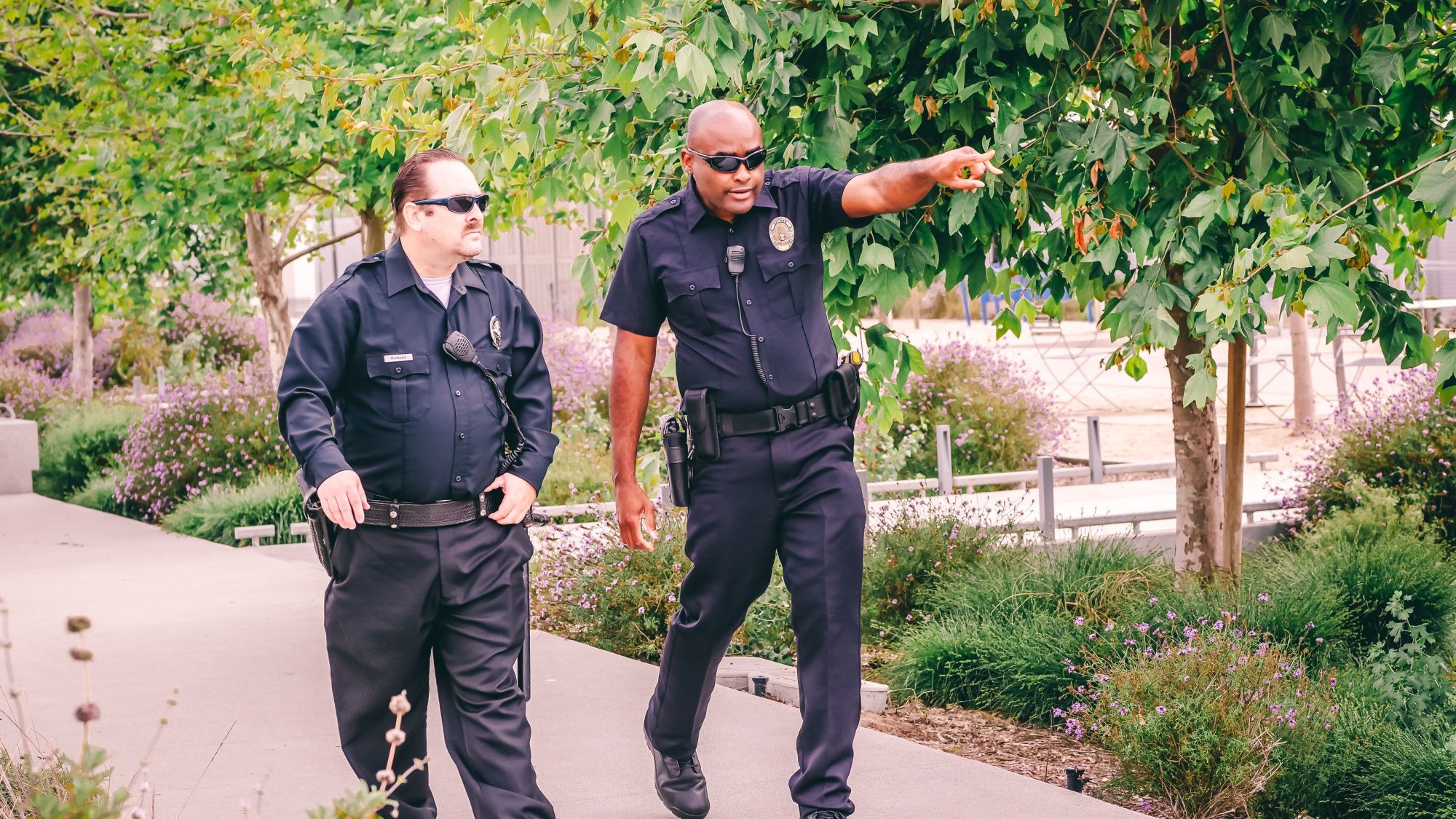
Body-worn cameras are now routine for police departments, and more private security programs are considering them. The appeal is easy to see. A camera on an officer's chest records what happened, from the officer's point of view, in the moment that matters.
But a camera is not a simple upgrade. It changes how officers behave, creates a large volume of sensitive footage, and brings legal and privacy responsibilities that many property owners do not expect. The evidence behind the benefits is also more mixed than the marketing suggests.
What Body-Worn Cameras Capture
Modern units are small, clip onto a uniform, and record video and usually audio. Many offer a pre-event buffer that saves the seconds before recording is triggered, GPS tagging, and automatic upload to secure storage. Some can stream live to a supervisor.
What an officer's camera records, and when, is a policy choice. That choice drives both the benefits and the risks.
The Benefits
Better Documentation
Footage creates a time-stamped record of incidents: what was said, who was present, and how the officer responded. This supports incident reports, insurance claims, and police investigations. Reports based on memory alone are easier to challenge than reports backed by video.
Accountability and Professionalism
Officers who know they are being recorded tend to follow procedure more carefully. Cameras also give supervisors a way to review real encounters, coach officers, and identify training gaps based on what actually happened.
Resolving Complaints and Disputes
When a visitor, tenant, or customer accuses an officer of misconduct, video often settles the question quickly. Footage can protect an officer from a false accusation, and it can also confirm that a complaint was justified. Either result is better than an argument over conflicting accounts.
De-escalation
A visible camera can calm some situations, because people tend to moderate their behavior when they know they are being recorded. This effect is not guaranteed, but many programs report it.
Liability and Insurance Support
Clear evidence helps in defending claims, and some insurers view documented, well-managed programs favorably. Footage can reduce legal exposure when an incident leads to a dispute.
Client Confidence
Property owners and managers get visibility into what officers are doing on their sites, which supports transparency in the client relationship.
What the Research Actually Shows
The best-known evidence comes from policing, not private security. Early studies were promising. A widely cited 2012 trial in Rialto, California, reported a 60% reduction in use of force and an 88% reduction in complaints after cameras were introduced.
Later and larger studies were less clear. A prospective meta-analysis across ten trials found that cameras had no overall effect on use of force and were associated with a higher rate of assaults against officers wearing them. The researchers noted that these findings may apply to other occupations that equip staff with cameras, including private security.
The practical takeaway is balanced. Cameras are a strong documentation and accountability tool. They are not guaranteed to reduce incidents on their own, and results depend heavily on policy, training, and how consistently they are used.
The Concerns
Privacy
Security officers work in places where people have real privacy interests: apartment buildings, offices, hospitals, schools, and venues. Recording tenants, patients, employees, or minors raises questions that fixed cameras in public areas do not.
Sensitive locations deserve clear rules. Restrooms, locker rooms, changing areas, and medical settings should generally be off limits, and recording in healthcare facilities requires particular care because of patient privacy obligations.
Recording Laws
Laws on audio recording vary by state. California is a two-party, or all-party, consent state: it is a crime under Penal Code 632 to intentionally record a confidential communication without the consent of all parties. Video-only recording in public areas is treated differently, but audio is where programs can run into trouble. Other states, including Texas, follow one-party consent rules. The California rules written for police body cameras do not simply carry over to private security, so programs should get legal review for each state they operate in.
Data Security and Retention
Cameras generate large volumes of sensitive footage. That data needs encrypted storage, restricted access, and logs showing who viewed or deleted what. A clear retention schedule matters too, since keeping footage forever creates risk and keeping it too briefly can destroy evidence. Footage related to an incident or a legal claim usually needs to be preserved.
Cost
Costs include the devices, storage, software, charging infrastructure, training, and the staff time to manage and review footage. Costs add up across a large team, and the administrative work is easy to underestimate.
Officer Concerns
Officers may feel watched, and some worry footage will be used to second-guess split-second decisions. Programs that ignore these concerns can face resistance and poor compliance.
Gaps and Misuse
Footage is only as complete as the recording policy. If officers choose when to record, selective recording can erode trust. If a camera was off, or the battery died, the absence of video can raise questions. Overreliance is another risk: cameras document incidents, but they do not prevent them.
What a Responsible Program Looks Like
A written policy. It should say when cameras must be on, when they must be off, and what happens if an officer cannot record.
Notice. Signs at entrances and verbal notice during encounters, where appropriate, set expectations and support legal compliance.
Restricted areas. Clearly prohibit recording in restrooms, changing areas, and other sensitive spaces.
Secure storage and access controls. Encrypt footage, limit who can view it, and log all access.
Defined retention and legal holds. Set standard retention periods, and preserve footage when an incident or claim is possible.
Training. Officers need to know the policy, the law, and how to use the equipment properly.
Regular review and audits. Sample footage for training and compliance, not just after complaints.
Client agreements. Settle who owns the footage, who can request it, and how it is shared.
Officer input. Involving officers in policy design improves buy-in.
Where Cameras Make the Most Sense
Body-worn cameras are most useful in settings with frequent public interaction and a higher chance of disputes, such as retail, transit areas, nightlife and events, and large public-facing properties. They are less necessary in quiet buildings where officers rarely deal with conflict, where fixed cameras and good reporting may be enough.
Questions to Ask Before You Decide
Does the security provider already have a body-worn camera program and written policy?
Who stores the footage, and who can access it?
How long is it retained, and how is it preserved after an incident?
How does the program comply with recording laws where we operate?
What areas and situations are off limits?
What does it cost, and who pays?
How will it affect our tenants, patients, or customers?
Final Thoughts
Body-worn cameras can strengthen documentation, accountability, and trust, but they work best as part of a clear, legally reviewed program rather than as a gadget added to an existing team. The benefits are real, the evidence is more nuanced than the sales pitch, and the concerns around privacy, data, and cost deserve as much attention as the technology itself.