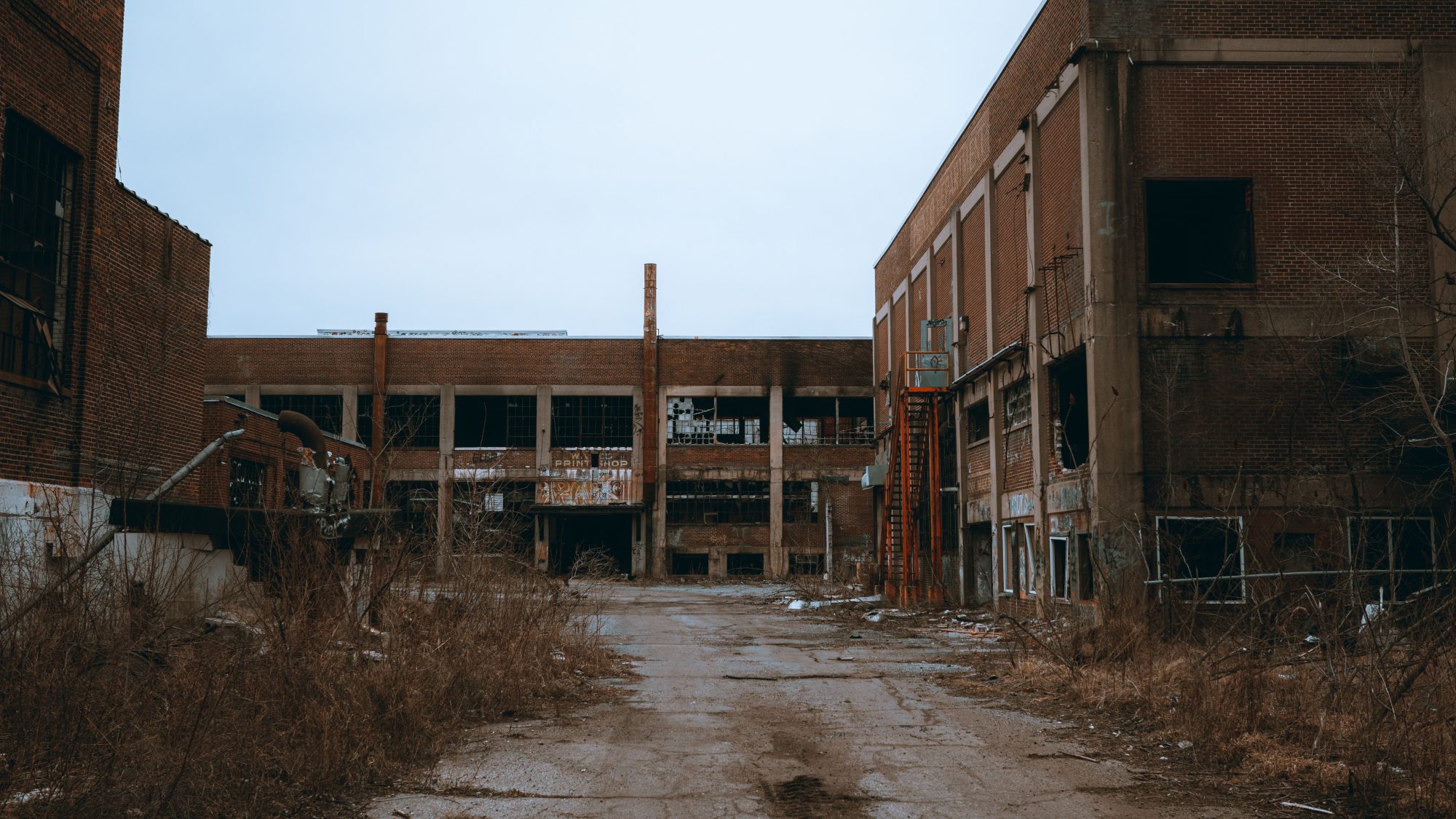
The National Fire Protection Association estimates that fire departments respond to roughly 30,000 structure fires in vacant properties every year, with hundreds of millions of dollars in direct property damage. Fire is only one of the risks. Copper wiring and fixtures get stripped, windows get broken, graffiti appears, and in some cases people move in.
The good news is that most of this is preventable with a layered plan. Property security for a vacant building works best when it combines insurance review, physical hardening, visible upkeep, monitoring, and regular human presence. This guide walks through each step.
Start With Your Insurance
Before spending on security, check your policy. This is the step most owners skip, and it can be the most expensive mistake.
Many commercial property policies contain a vacancy clause. Under a typical form, if a building has been vacant for more than 60 consecutive days, coverage for certain losses, such as vandalism, theft, water damage, and glass breakage, can be excluded, and other losses may be paid at a reduced rate. Insurers often define a building as vacant when less than about 31% of its space is occupied and in use, so a mostly empty building can trigger the clause even if one tenant remains.
What to do:
Read the vacancy and unoccupancy language in your policy
Notify your insurer when a building becomes vacant instead of waiting for a claim
Ask about a vacant property policy or an endorsement that keeps coverage in place
Ask what security measures the insurer requires, such as alarms or inspections
Policies vary, so confirm the details with your broker.
Secure the Building Itself
A vacant building should be harder to enter than an occupied one, because no one is inside to notice a break-in.
Doors and locks. Replace or rekey locks when tenants leave, since old keys may still be out there. Use solid doors, quality deadbolts, and reinforced strike plates.
Windows. Ground-floor and accessible windows are the most common entry points. Options include steel or plywood board-up, security film, shutters, and bars where code allows. Boarded windows deter entry but can also signal that a building is empty, so balance protection against appearance.
Roof, basement, and service access. Check hatches, skylights, loading docks, and utility doors. Thieves often use less obvious routes.
Utilities. Keep power on for lighting, alarms, and cameras. Shut off water or drain the system where appropriate to avoid undetected leaks and burst pipes, which cause major damage in empty buildings.
Remove valuables. Take out anything worth stealing, including equipment, fixtures that can be moved, and especially copper and metal that thieves strip for scrap.
Make the Building Look Cared For
Neglect invites more neglect. A property that looks occupied and maintained is less likely to be targeted.
Keep exterior lights on at night, using motion-activated lights where continuous lighting is not practical
Maintain landscaping, and keep trash and flyers from piling up
Remove graffiti quickly, since fresh tags attract more
Forward or collect mail so it does not accumulate
Post clear signs stating that the property is monitored and that trespassing is prohibited
Park a vehicle on site occasionally or vary its position
These steps cost little and change how a building reads from the street.
Add Detection and Monitoring
Technology gives you eyes on a building when no one is there.
Alarm systems. Monitored intrusion alarms on doors, windows, and motion zones alert you to entry. Make sure the alarm covers the whole building and that someone can respond when it triggers.
Cameras. Visible cameras deter, and recorded footage helps with investigations. Coverage should include entrances, loading areas, parking, and the building perimeter. Camera monitoring and installation with live review is far more effective than recording alone, because a person can react while an incident is still developing.
Environmental sensors. Water, temperature, and smoke sensors catch damage that has nothing to do with crime but can be just as costly.
An alarm that no one answers does not stop a break-in. Detection works only when it is paired with a response plan.
Add a Human Presence
People are the most reliable deterrent, and they can do things technology cannot: check a door, spot a new problem, and confront or report a trespasser.
Random, unpredictable patrol services are a practical option for most vacant properties. Officers check the perimeter, test doors and windows, look for signs of entry, and document what they find. Irregular timing matters, because thieves watch for patterns. For larger or higher-risk sites, an on-site guard during overnight hours may be justified.
If a building's fire alarm or sprinkler system is offline, a formal fire watch may also be required, so check with your local fire authority.
Inspect and Document Regularly
Even with security in place, someone should walk the property on a schedule, at least weekly. Look for signs of forced entry, new damage, leaks, pests, and unauthorized occupants. Take dated photos of each inspection. Records of regular checks support insurance claims and show you took reasonable care if a loss occurs.
What to Do About Squatters
If you find someone living in a vacant building, do not confront them or try to remove them yourself. Self-help removal, such as changing locks or cutting utilities while someone is inside, can create legal liability for the owner.
A safer approach:
Do not enter alone or engage in confrontation
Document the situation with photos and notes
Contact local police and report the trespass
Consult a real estate attorney about the legal process in your state
In California, for example, removing an unauthorized occupant often requires a court process, and the widespread idea that squatters gain rights after 30 days is a myth. Rules differ by state and by situation, and they continue to change, so get legal advice for your location.
The best protection is prevention. A building that is secured, monitored, and regularly visited is much less likely to be occupied in the first place.
Quick Checklist
Review insurance and notify the insurer of vacancy
Rekey locks and secure windows, roof access, and service doors
Keep lights on and the property maintained
Remove valuables and metals
Install monitored alarms and cameras
Schedule random patrols or on-site coverage
Inspect weekly and keep photo records
Post no-trespassing signs
Have a plan, and an attorney contact, for unauthorized occupants
Final Thoughts
Vacant buildings are vulnerable because they are unwatched, not because they are unusual targets. Closing the gaps comes down to a few habits: keep coverage in place, harden the structure, keep the property looking active, monitor it, and send real people to check on it regularly. Done together, these steps protect both the building and your insurance position.