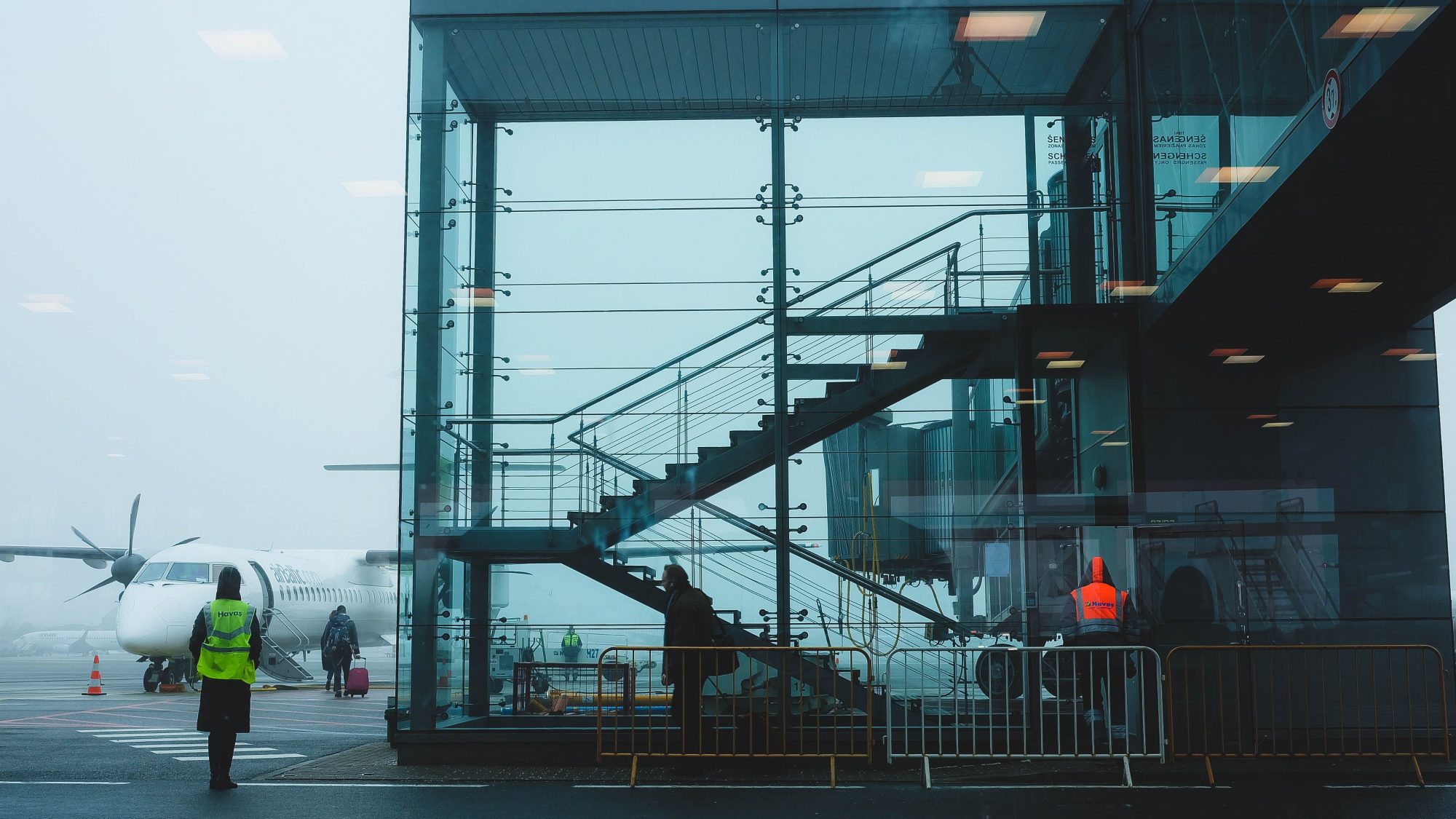
Most travelers think of airport security as the checkpoint: the line, the scanner, the bins. That is the part TSA runs, and it is the most visible part by far. It is also only a fraction of what it takes to keep an airport secure.
An airport is a small city. It has terminals, parking structures, cargo areas, service roads, restricted zones, and miles of perimeter fence, all operating around the clock. TSA's core mission is screening people and baggage and setting federal security standards. The daily work of watching everything else falls to a mix of airport police, airport staff, and private security.
What TSA Does
TSA was created after the September 11 attacks to take over aviation security from airlines and airports. Its responsibilities fall into a few main areas:
Passenger and baggage screening at checkpoints, which is the function most travelers see
Setting and enforcing federal security standards for airports, airlines, and cargo
Inspecting and auditing how well airports carry out their security programs
Federal air marshals and other specialized programs
At about 440 US airports, TSA officers staff the checkpoints directly. A small number of airports, roughly 20, use private screening contractors under the Screening Partnership Program. Even there, the officers are private employees working to TSA standards under TSA oversight, so the screening mission itself stays federal.
That is the scope of TSA's direct operational role. It does not patrol parking structures, watch service gates, or respond to a suspicious vehicle at the edge of the property.
Where Private Security Fits
Beyond the checkpoint, security is a shared responsibility. TSA sets the regulations, but airport operators are required to carry out access control and perimeter protection under those rules. Operators meet that obligation with a combination of airport police, in-house staff, and contracted private security.
Private airport security officers commonly support airports in these areas.
Access Control
Airports have secured areas that only badged and vetted personnel may enter. Someone has to staff the gates and doors that lead into them, check credentials, log entries, and turn away anyone who does not belong. This work is repetitive and detail-heavy, and a single missed check can leave a gap. Trained officers apply the same standard on every shift.
Personnel working in secured areas generally go through background checks and badging required by the airport operator and TSA rules, so credentialing is part of the job from day one.
Perimeter Patrol
An airport perimeter can run for miles, and unauthorized access along it is a known concern. Officers on patrol check fencing, gates, and access roads, respond to alarms, and investigate anything unusual. Coverage like this is hard to do with fixed cameras alone, because a person on the ground can inspect, question, and report.
Terminal and Landside Presence
Public areas outside the checkpoint, including ticketing, baggage claim, and curbside zones, see enormous foot traffic. A visible officer presence deters theft and disruptive behavior and gives travelers someone to approach when something goes wrong. Unarmed security officers are a natural fit here, since the role is mostly about presence, communication, and early intervention rather than enforcement.
Parking and Vehicle Areas
Airport parking structures and lots hold thousands of unattended vehicles for days at a time. They draw car break-ins, theft, and the occasional safety incident. Officers who patrol these areas, and who watch vehicle access points, reduce exposure in places that sit well outside TSA's checkpoint role.
Cargo and Service Areas
Air cargo, catering, fuel, and maintenance operations all take place behind the scenes. Each involves vehicles and workers moving in and out of secured space. Private officers can monitor these entrances, verify vendors and drivers, and document activity, which supports the access control rules the airport must follow.
Incident Response and Reporting
When something happens, such as an unattended bag, a medical emergency, a disturbance, or a gate left open, the first response often comes from whoever is nearest. Officers who know the site can secure the area, notify the right people, and document what occurred. Written reports and logs give the airport and regulators a clear record afterward.
What TSA Does Not Do
It helps to be direct about the gaps, because they explain why private security exists in this space.
TSA does not provide day-to-day guarding for the whole airport. It does not staff every access gate, patrol the full perimeter, watch the parking structures, or manage the crowds at curbside. Its officers focus on screening, and its regulators focus on whether the airport meets federal standards. Everything between those two functions is the airport operator's responsibility to cover.
Perimeter and access control have historically been recognized as an area of shared responsibility between TSA and airport operators, which is part of why contracted support is so common.
What Airports Should Look For in a Private Security Provider
Aviation is a regulated, high-consequence environment, so the standards for a provider are higher than for an ordinary commercial site.
Credentialing and background screening. Officers must be able to meet airport badging and background requirements. Ask how the provider handles this and how quickly new staff can be cleared.
Aviation-specific training. Airports have their own rules for restricted areas, vehicle operation on airfield roads, and emergency procedures. General guard training is not enough.
Reliable 24/7 coverage. Airports never close, so a provider needs the depth to staff every shift, including holidays, without gaps.
Strong reporting. Clear logs and incident documentation support the airport's own compliance obligations.
Coordination with airport operations. Officers need to work smoothly with airport police, operations staff, and airlines during both routine and emergency situations.
Final Thoughts
TSA secures the checkpoint, and it does that job as a federal agency with a defined mission. The rest of an airport's security depends on the people watching the doors, fences, lots, and terminals every hour of the day. Private security companies fill much of that space, and the best ones do it with the credentialing, training, and consistency the environment demands.
For anyone responsible for an airport or aviation facility, the useful question is not whether TSA is enough. It is who covers everything TSA does not, and how well they are doing it.