Trespassing is easy to dismiss until it costs something. A shortcut across a parking lot becomes a path through a loading dock. A person sleeping in a doorway becomes a fire hazard. A group that hangs out behind the building becomes graffiti, drug use, or a break-in. And when someone gets hurt on your property, even without permission to be there, you may face liability questions.
The good news is that most trespassing responds well to prevention. The goal is simple: make it clear the property is private, make it harder to enter, make it more likely that someone will notice, and make sure a response is ready. This guide covers how to do that. Property security works best as a layered plan, because no single measure stops everyone.
Why People Trespass
Understanding the reasons helps you choose the right fixes.
Shortcuts. People cut through lots, alleys, and building grounds to save time.
Shelter. Sheltered spots like loading docks, stairwells, and covered entrances attract people seeking a place to sleep or stay out of the weather.
Theft and vandalism. Some trespassers scout for equipment, copper, vehicles, or easy break-ins.
Loitering and gathering. Dark corners and secluded areas become informal meeting spots.
Dumping. Illegal dumping targets unwatched back lots and empty areas.
Thrill-seeking. Rooftops, construction sites, and abandoned buildings draw urban explorers and teenagers.
Each motive suggests different measures. A shortcut problem is solved by fencing and signage. A theft problem needs detection and response.
Step 1: Understand Your Specific Problem
Before spending money, find out what is actually happening. Keep a simple incident log and review it monthly.
Record:
Where trespassing occurs
What time of day or night
How people get in
What they do once inside
Whether the same individuals or groups return
Patterns show up quickly. You may find that most incidents happen at one gate after midnight, or that one broken fence section accounts for the majority of entries. Targeted fixes beat broad spending.
Step 2: Mark Your Boundaries Clearly
People trespass more when boundaries are unclear. Make it obvious where private property begins.
Fencing and gates. Install fencing that fits the risk, from decorative barriers to security fencing. Keep gates closed and locked after hours, and repair holes and gaps promptly.
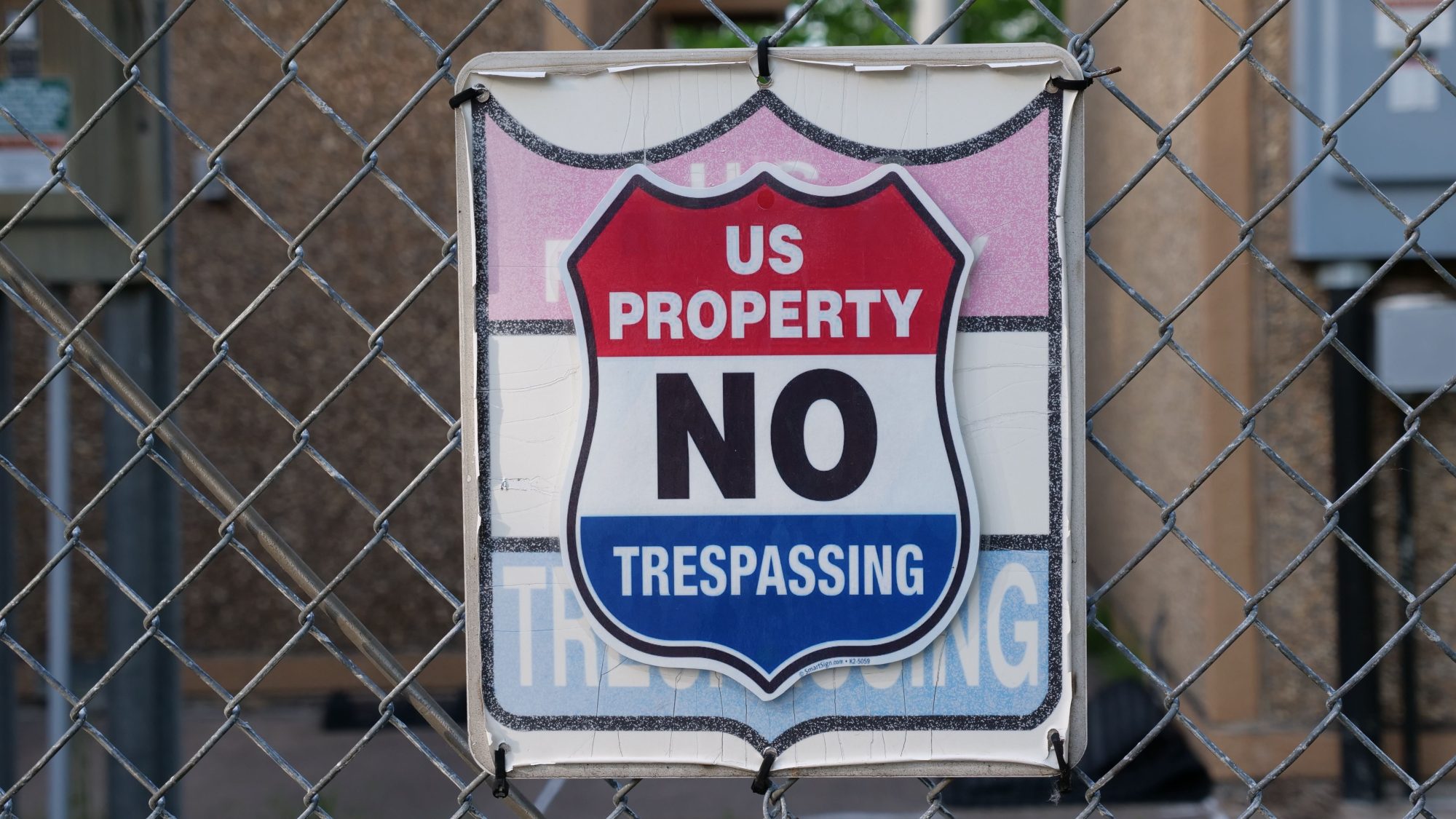
Signs. Post clear "No Trespassing" and "Private Property" signs at entrances and at intervals along the boundary. Signs also establish notice, which can matter if you later need police to act.
Legal notice varies by state. Rules about what counts as proper notice are set by state law. In Texas, for example, notice can be given orally, in writing, by fencing designed to exclude intruders, or by signs. Check your state's rules with local police or an attorney so your signage supports enforcement.
Landscaping. Use hedges, planters, and walls to define edges where fencing is not practical.
Step 3: Design Out the Opportunity
Security professionals often use an approach called crime prevention through environmental design, which relies on four ideas: natural surveillance, access control, territorial reinforcement, and maintenance.
In practice, that means:
Remove hiding spots. Trim hedges and shrubs near buildings and fences so people cannot hide behind them.
Remove climbing aids. Move dumpsters, pallets, and stacked materials away from fences and walls.
Close shortcuts. Redirect foot paths with barriers or by providing a legitimate route.
Secure roofs and service areas. Lock hatches, remove exterior ladders, and restrict access to mechanical rooms.
Reduce sheltered corners. Gate or block recessed entrances, loading dock alcoves, and stairwell bases where people tend to settle.
Keep sightlines open. Make it possible for staff, neighbors, and passersby to see activity around the property.
Building security measures such as controlled entry points and credentialed access reduce what trespassers can reach once they are on the property.
Step 4: Fix the Lighting
Good lighting is one of the most cost-effective deterrents. Trespassers prefer dark areas, and lights also help cameras and officers see clearly.
Light entrances, parking areas, loading docks, building perimeters, and fence lines
Use motion-activated lighting where continuous lighting is not practical
Replace burnt-out bulbs quickly and check lights regularly
Avoid glare that creates blind spots, and aim lights to reduce shadows
Step 5: Detect Trespassers Early
Fencing and lighting slow people down, but detection tells you when someone gets through.
Cameras. Visible cameras deter and also record evidence. Coverage should include entrances, the perimeter, loading areas, and parking. Camera monitoring and installation with live review lets a trained operator spot trespassers as they enter and direct a response.
Alarms and sensors. Motion sensors, fence sensors, and door contacts alert you to entry in areas where no one should be.
Aerial coverage. For large or open properties, drone security and wireless cameras can cover distance that fixed cameras cannot.
Detection is only useful if someone responds. Every alert needs a clear owner and action.
Step 6: Use People
Technology can detect trespassing, but people stop it.
Random patrols. Unpredictable patrol services discourage regular visitors, because they cannot learn a schedule. Officers check fences, gates, and hidden areas, and document what they find.
On-site officers. For properties with ongoing problems, a guard at key access points or in problem areas provides a constant deterrent and can respond immediately.
Clear instructions. Officers need written post orders that define how to handle a trespasser: verbal warning, documentation, and when to call police. They should not use force beyond what the law and company policy allow.
Staff awareness. Employees and tenants should know who to call if they see someone who does not belong, and should not confront anyone themselves.
Step 7: Work With Local Police
Police are your partner for enforcement, and some preparation makes their job easier.
Introduce yourself and share property details and after-hours contacts
Ask whether your department offers a trespass authorization or letter of agency program, which in some places allows officers to act on private property in the owner's absence
Report incidents consistently, even minor ones, so patterns are visible
Keep records, photos, and video of repeat trespassers
Documentation supports enforcement, especially against repeat offenders.
Step 8: Keep the Property Maintained
A neglected property signals that no one is watching. Remove graffiti quickly, clear trash and debris, repair fences and lights, and keep vacant areas tidy. A cared-for site reads as occupied and monitored, which discourages trespassers before they try anything.
Step 9: Handle Sensitive Situations With Care
Not every trespasser is a criminal. Some are people experiencing homelessness who are looking for shelter. A heavy-handed approach can create safety, reputational, and legal problems.
Work with local outreach organizations, and apply consistent, respectful procedures. Document interactions and offer information about services where appropriate. Clear policies make enforcement fair, defensible, and safer for everyone involved.
Quick Prevention Checklist
Review incident patterns monthly
Fence and gate boundaries, and repair gaps
Post clear signs at entrances and along boundaries
Remove hiding spots and climbing aids
Add lighting and keep it working
Install cameras, alarms, and sensors
Schedule random patrols or on-site coverage
Build a relationship with local police
Keep the property clean and maintained
Use respectful, consistent procedures
Final Thoughts
Trespassing rarely stops with one fix. The properties that handle it best layer simple measures, from clear boundaries and good lighting to monitoring and regular patrols, and they keep records so they can improve over time. Start by learning where and why it happens, then close the easiest gaps first.